
Nanjing
A historic city rich in imperial and modern Chinese heritage.
About Nanjing
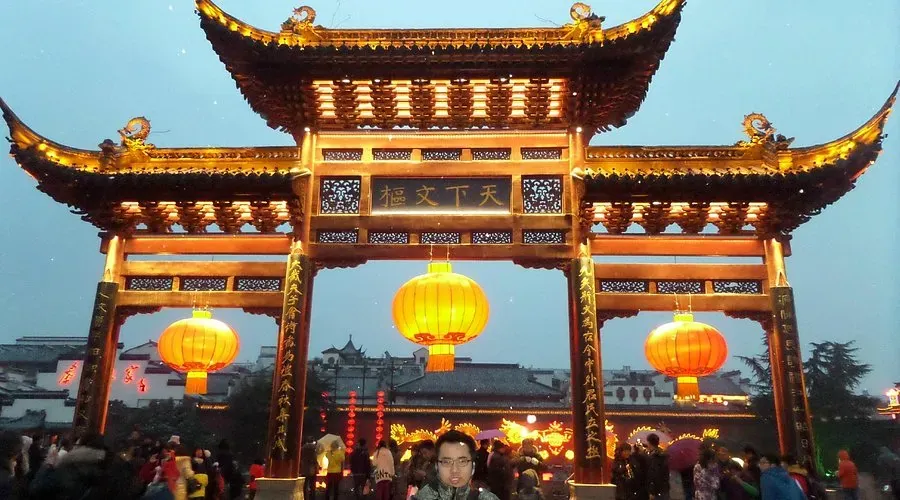
Nanjing served as the capital of China across several dynasties and of the Republic of China in the 20th century, leaving behind an intact Ming-era city wall, imperial mausoleums and a lantern-lit temple quarter along the Qinhuai River.
It's a rewarding stop for travellers interested in modern and imperial Chinese history alike, and connects easily by bullet train to both Shanghai and Beijing.
Major attractions in Nanjing
Every must-see highlight and hidden gem our itineraries are built around
Confucius Temple & Qinhuai River
A lantern-lit riverside quarter of temples, shops and night boat rides.
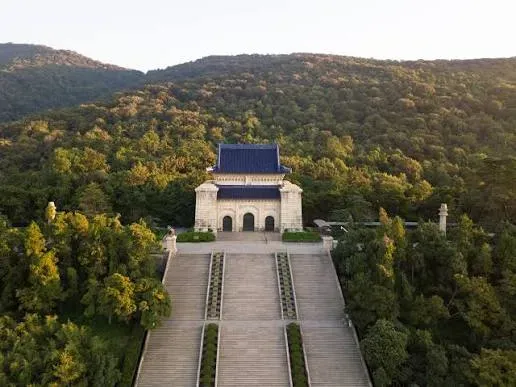
Sun Yat-sen Mausoleum
A grand hillside memorial to the founder of modern China, reached by a long stone stairway.
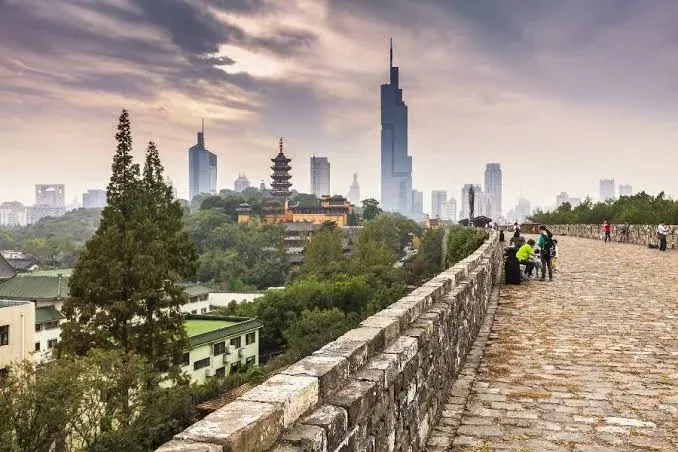
Nanjing City Wall
One of the longest surviving city walls in the world, open for walking and cycling.
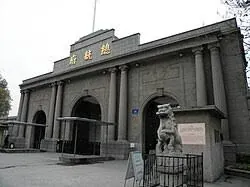
Presidential Palace
The former seat of government under the Republic of China, now a museum.
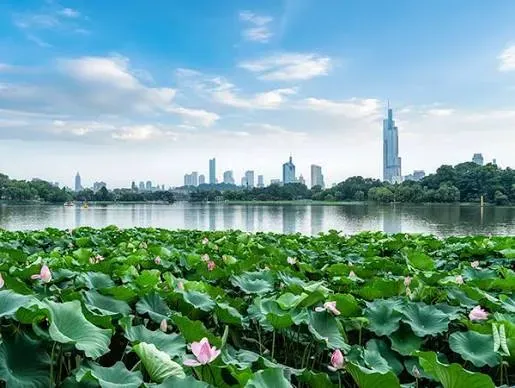
Xuanwu Lake
A large lakeside park with islands connected by causeways, in the shadow of the city wall.
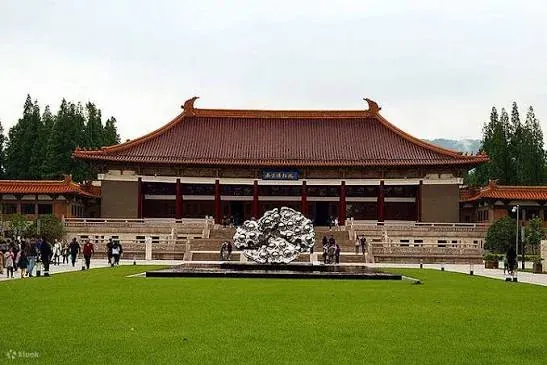
Nanjing Museum
One of China's oldest and largest museums, covering the region's full history.
Essential Details
Key information for planning your Nanjing visit
Best Time to Visit
Mar – May / Sept – Nov offers the most comfortable conditions for sightseeing in Nanjing.
Typical Weather
Average temperatures of 13-27°C during seasonal range — pack accordingly for the season you travel.
Getting There
Nanjing Lukou International Airport and a well-connected bullet-train station link the city easily with Shanghai and Beijing.
Language Support
English-speaking Chinese staff and Chinese-speaking Indian/Malayali guides can be arranged for Nanjing.
Food Arrangements
Indian, Kerala, Halal, Arabic and local Chinese food options can be coordinated throughout your stay.
Local Tip
See the Confucius Temple quarter after dark, when the riverside lanterns are lit.
Visual Journey
A curated collection of moments across Nanjing